
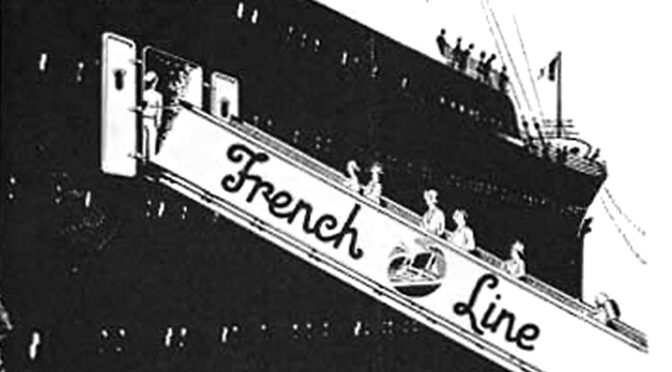
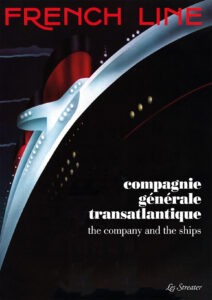
Compagnie Générale Transatlantique – also known as Transat, French Line or CGT – served many routes around the world, not just across the Atlantic. Although best known for its beautiful passenger liners on the North Atlantic, it also operated a large fleet of ferries, freighters, refrigerated fruit carriers and other vessels.
Founded in 1855, the company gained a worldwide reputation for its luxuriously-appointed liners and the cuisine aboard. Major events and personnel are covered in the introductory section, followed by a comprehensive, illustrated fleet list covering every vessel over the years, plus chartered and managed ships. As well as basic technical data, each ship’s career is detailed, including major events, rebuilds, collisions and sinkings, with photographs of almost every vessel. Important ships in the growth and development of CGT are given greater coverage. Tugs and tenders are covered as well as many charters.
The Great War, post-war and World War 2
During the Great War the company lost 29 ships, but with government help it rebuilt, reaching the peak with Normandie in 1935. CGT lost 48 out of its fleet during World War 2.
Peacetime
Although post-war passenger traffic initially grew rapidly, the advent of commercial air travel was to alter everything. Passenger demand decreased, despite the launch of the new France, as no ship could match the convenience of flights that transported passengers at much lower fares in just hours over a distance that by ship would take several days. The company became increasingly dependent on government subsidies, until these were eventually removed. In the 1960s and early 1970s CGT focussed more on freight, and eventually dropped the passenger services, until in 1975 the French government merged CGT and Messageries Maritimes, to form Compagnie Générale Maritime (CGM).
Compagnie Générale Transatlantique was no more.
274 pages including 8 in full colour.
£38.99 plus shipping
CLICK HERE TO RETURN TO OVERVIEW PAGE
 Clearing out the warehouse to make room for new stock, we found two boxes of mint copies of this book from 1997! Rarely available even from second-hand bookshops, this is a chance for you to acquire your own copy at less than the original cover price.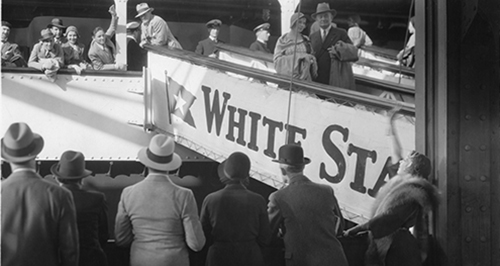
 The origins of White Star Line can be traced back to 1846. T.H. Ismay bought the company in 1868, registering it as Oceanic Steam Navigation, trading as White Star. He forged agreements with Harland & Wolff in Belfast to build his ships, which quickly gained a reputation for speed, comfort and reliability. The company grew and prospered, building ever bigger and better ships.

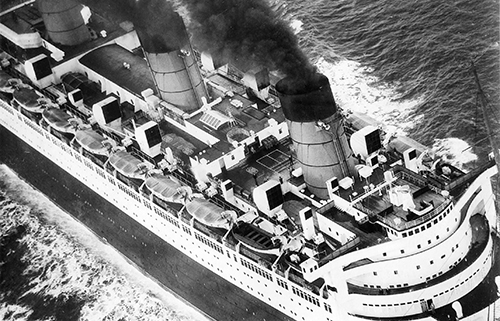
 Having gained the Blue Riband in August 1936, covered in the previous volume, further refinements were made to Queen Mary during the winter of 1936/1937. These helped her to keep the Blue Riband against several tries by Normandie.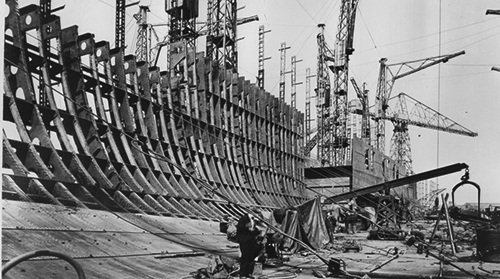
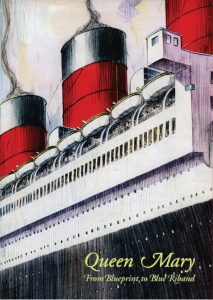

 This book represents an eclectic choice – the author’s personal favourite historic, legendary liners. The hardest part was in deciding which liners to leave out!
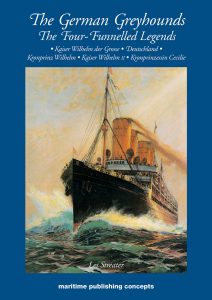 A hardback book covering the design, construction and service of the five German four-funnelled liners. These were known as the German Greyhounds: Kaiser Wilhelm der Grosse, Deutschland, Kronprinz Wilhelm, Kaiser Wilhelm II and Kroprinzessin Cecilie.
 A group of prominent wealthy Canadian businessmen met in 1880. They realised that for Canada to not only survive but expand, a railway system had to be devised and developed to cover the country, from coast to coast.
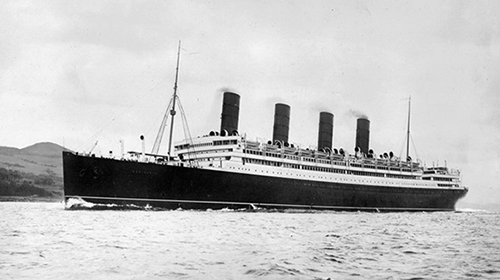
 A hardback book covering the design, construction and service of Cunard’s four-funnelled express liner Aquitania.